
Why Hotels and Resorts Choreograph the Sun for Perfect Poolside Photos
You ever wonder how hotels and resorts get those absolutely jaw-dropping shots of their pools to use as their marketing content? Then, when you get there, it is just as beautiful as you envisioned it in the pictures?
Well, we investigated further to determine how and why these properties try to use the sun to perfect their poolside.
The findings show that, through a carefully arranged mix of design and lighting, they can actually craft the visual vibes of the pool area and then also rely on guests’ behavior to help shape the visuals that people share online.
Today’s modern resort property have designed around daylight, so, that when guests are there lounging and swimming, there is actually perfect lighting.
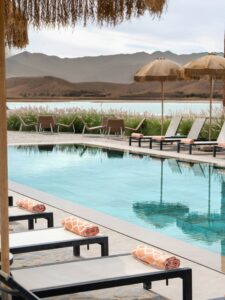
Basically, this whole approach has been growing alongside social media posting habits, yet, surprisingly, it now affects architecture budgets, pool geometry, and landscaping plans across major hospitality brands.
In other words, the pool deck becomes a visual theater, so, even a casual afternoon swim fits into a subtle choreography built around timing and perspective.
Pretty clever, right?
Let’s see how they get it all done.
How Did We Even Uncover This
We’ve noticed that poolsides have become even more and more picture-perfect lately, so we decided to see if we could verify that properties were actually making an effort to optimize their grounds.
We contacted different resorts, reviewed travel industry reports, and looked through any published marketing budgets, and, in fact, the data suggests that resorts allocate a notable portion of recent renovation spending toward visual appeal that photographs well across platforms.
Hospitality surveys show that, typically, up to 60 percent of hotel and resort guests share at least one poolside image during a stay, which, in short, turns their pools into a marketing channel.
We studied how they used lighting simulations, guest movement patterns, and drone footage tests, and, luckily, we uncovered several case studies that revealed that properties analyze posting peaks between late afternoon and sunset for optimal engagement.
In the same way, design firms reported that, nearly, one quarter of aesthetic investments go toward elements that enhance reflections, color warmth, and skin-tone lighting in photographs.
We also reviewed maintenance logs and landscaping schedules. These showed how trimming, repainting, and tile cleaning follow social media seasons and travel surges.
Meanwhile, internal hotel and resort marketing teams shared figures indicating that, often, visually striking pool imagery delivers measurable booking increases, so, the value of aesthetics connects directly to revenue.
Basically, it is all crafted to make you feel like it is perfect.
In fact, virtually every property on our list of the top resorts in the world are so popular partly due to the fact that they look the part.
Sun Mapping and Architectural Timing
First, resort architects usually chart sunrise and sunset arcs with detailed software, so their signature swimming pools can catch the soft light when travelers feel most inclined to post.
In fact, many design blueprints show orientation lines that align water surfaces with western skies, yet, that alignment also supports warm reflections across lounge areas.
That planning stage, treats the sun like a moving spotlight, so designers build terraces that guide light across water rather than block it with tall structures.
Meanwhile, terraces, cabanas, and shade sails appear placed for comfort, yet, seemingly, they also keep faces illuminated during peak posting hours.
Essentially, these choices shape the daily rhythm of the pool deck, so guests drift into spots where light feels flattering without realizing why. Amazingly, the architecture nudges people and guests toward positions that look balanced and luminous through a camera lens and their own eyes.
Tile Colors and Reflective Surfaces
Next, there is tile selection.
It often goes beyond just color trends and focuses on how light bounces toward skin tones during late afternoon lounging.
For instance, pale turquoise and soft sand hues actually reflect warmth upward, so faces appear brighter in images captured near the waterline.
Design teams at resorts and leading hotels test sample tiles under different sun angles, so reflections stay gentle rather than harsh across midday and sunset periods.
Meanwhile, darker borders typically frame the pool’s interior, yet, they also create contrast that defines silhouettes and highlights movement in photographs.
Those color choices are all intentional and function like a built-in filter, so guests are able to step into water that already enhances the tone and brightness of their environment.
Cleverly, the designers have used the pool’s surface to become part of the lighting system, which then reduces the need for heavy editing later.
Landscaping Details
That’s just the beginning, as there’s even more details across the resort.
The landscaping team plans on resort property grounds typically align palm trees and cabanas, so that shadows fall in neat stripes across decks and water. That pattern seemingly frames swimmers and loungers, so images look composed even when taken quickly.
These shadow bands, in a way, also soften bright sunlight while adding depth to backgrounds, which, in turn helps photos to feel dimensional. Additionally, cabana spacing appears casual, yet it often follows a grid that guides shadow lines toward focal points.
The result, basically, is a setting where every angle on the property includes visual balance, so, a simple snapshot looks perfect.
In fact, many properties even adjust plant height and canopy density through the year, so that those shadow patterns remain consistent during high season.
Lounge Chairs and Perspective
Meanwhile, lounge chair arrangements often nudge guests toward the ideal vantage points that make the water appear larger in photos. That subtle positioning acts to widen the perceived pool edge to the viewer, so the scene looks expansive and open when you are physically there and through a smartphone screen.
Chairs and daybeds are scattered across the resort in the same way to form gentle arcs that draw attention toward the center.
The outcome there are images that show symmetry and balance.
They act as another tool – the arcs they create also guide foot traffic, yet, they keep key sightlines clear for unobstructed shots.
Guests then usually settle into these spots because they feel comfortable and shaded, so the resulting images appear natural rather than staged.
The Golden Hour
In the same way, the hotel’s and resort’s infinity edges align with horizon lines to catch golden hour reflections off the water.
The result is a perception of an endless ocean or skyline. That alignment, therefore, creates the illusion of boundless water, so photos convey a sense of escape and openness.
Engineers and designers angle these edges with careful measurements, yet the goal centers on how light skims across the surface at sunset. The reflective band at the edge glows during peak posting time, generating a cinematic vibe for images without the need for much editing.
This design choice basically merges hotel architecture and timing, so that the pool appears to stretch into the distance as the sky warms.
In fact, many properties schedule events and music during that window, which encourages guests to gather and capture the moment, thus showing them what they probably saw in photos on Expedia or KAYAK.
Underwater Lighting
We’re not done yet.
Underwater lighting systems often shift subtly throughout the day, so the pool appears brighter in vertical video than in person.
The team’s adjustment to the underwater lights act to enhance color saturation and clarity, so footage looks vibrant on screens and guests perceive the water to be more striking.
From the technical aspect, lighting technicians at the hotel calibrate the tones to complement natural sunlight, but also try to avoid obvious changes that might distract swimmers or make it look too unnatural.
Sensors then track the ambient brightness, allowing the the pool to maintain a consistent glow for recording and streaming at every hour.
This real-time technology ensures that water remains luminous during both daylight and twilight, so videos capture a steady, appealing tone.
Rooftop Views
Another cool detail that is that some resorts test drone footage internally to confirm rooftops, terraces, and pools are synced visually from above.
That aerial perspective can help reveal patterns and symmetry that influence future renovations and decor placement.
Marketing teams review the recordings to evaluate how their resort’s pathways, umbrellas, and seating align with branding visuals, while rooftop bars and gardens can adjust their layouts so that the aerial shots maintain clean lines and balanced color fields.
This process turns the property into a coordinated visual map, so overhead images reinforce the same aesthetic seen at ground level, all unbeknownst to the the guest on the ground.
Photo Lanes
Position is also critical for small details on the ground. The alignment of swim-up bars and counters sometimes position stools to create natural photo lanes where people pause longer.
That pause can cat to give guests time to take pictures while ordering drinks or chatting with friends.
Designers have basically determined where they want guests to congregate and where to keep it open for aesthetics. They can use the stools to space and frame the water behind them, so that each seat offers a clear background for snapshots.
Meanwhile, bar tops use reflective materials that bounce light upward, adding a sparkle to images you take.
The end result is to encourage you to linger around the resort’s key areas without overt direction, so, again, the scene feels spontaneous while remaining visually balanced.
Glare Control
Naturally, a strong sun might provide too much light throughout the day.
The landscaping teams account for this by trimming hedges and placing flower in strategic areas to prevent the harsh midday glare on reflective water surfaces. That maintenance routine even acts to keep the pool surface smooth and photogenic during bright hours.
Garden layouts can even act to guide sunlight across the greenery and water, so shadows soften rather than overwhelm the scene.
The color of the garden is also critical: seasonal planting plans adjust color palettes and maintain visual harmony with the tile and decking tones. In fact, the in-house horticulture teams often coordinate with marketing calendars to align peak blooms with peak travel months.
This careful upkeep basically preserves the pool’s glow throughout the day, so photos remain consistent across changing weather and seasons.
Check It Out Next Step
Pretty surprising the steps these high-end properties go through to deliver the perfect vibe, right?
Be sure to take a look around you the next time you’re at one of these properties to see if you can spot the efforts taken to make your poolside experience seem magical.